USB3.0
Build Semiware into your application circuit
Summary
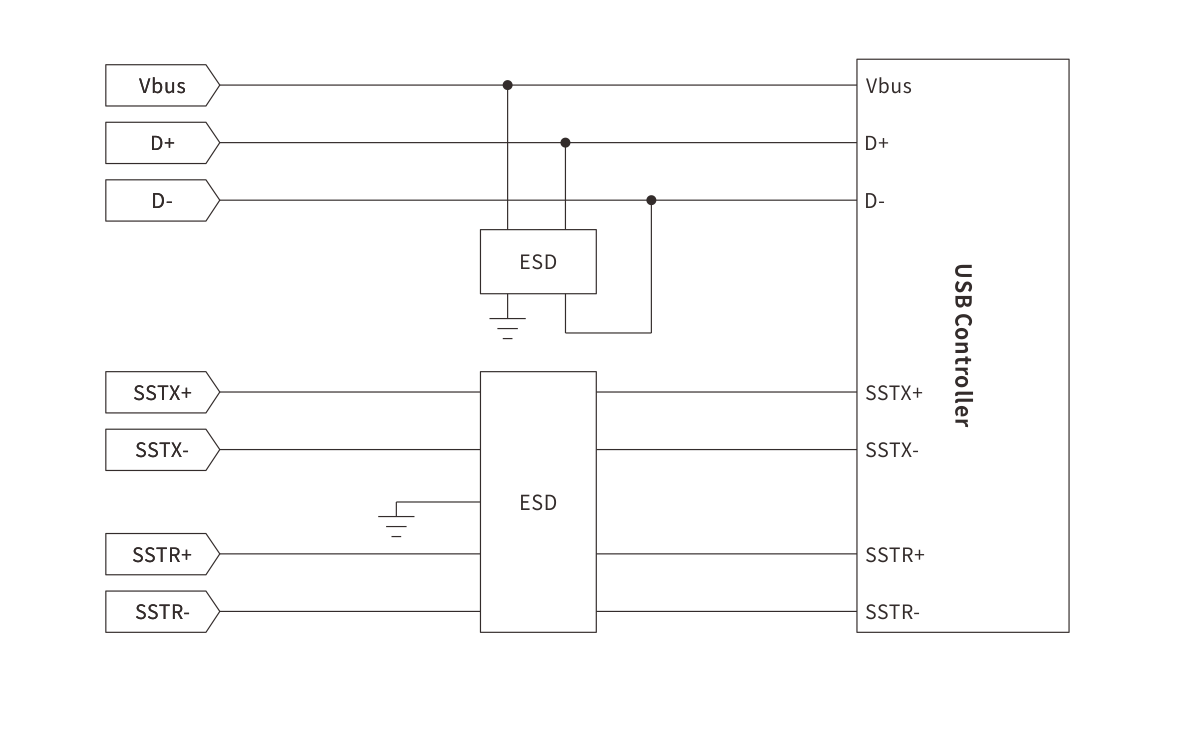
As a high-frequency hot-swappable interface, the USB 3.0 port is directly exposed to the external environment and is highly susceptible to electrostatic discharge (ESD) and transient high-voltage surges. Since the USB 3.0 port is often the "entry point" where external cables directly enter the motherboard, surges and static electricity entering through this point can damage not only the USB 3.0 port but also travel along power and ground lines to critical components such as the controller, DDR, and Flash memory. Therefore, the circuit protection scheme for the USB 3.0 interface aims to prevent damage to data and power lines from electrostatic discharge (ESD), electrical fast transients (EFT), surges, and other interference signals, ensuring interface reliability and system stability.
Testing Standards:
Contact-8kV Air-15kV

 General TVS Diodes
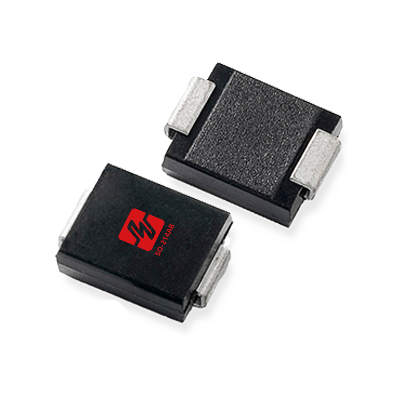 High Reliability
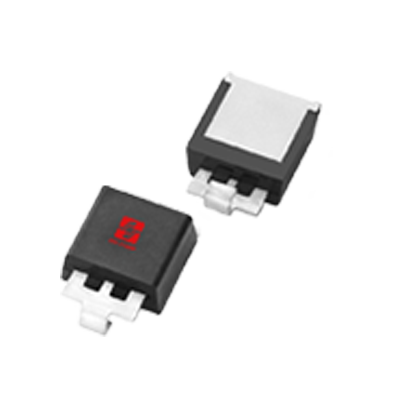 Automotive
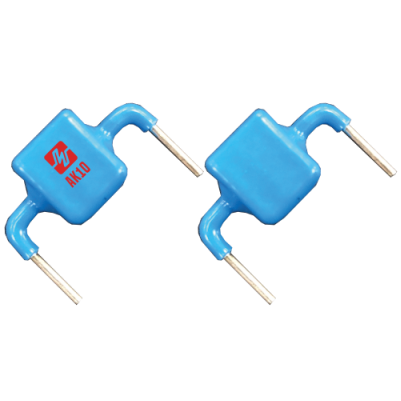 High Current
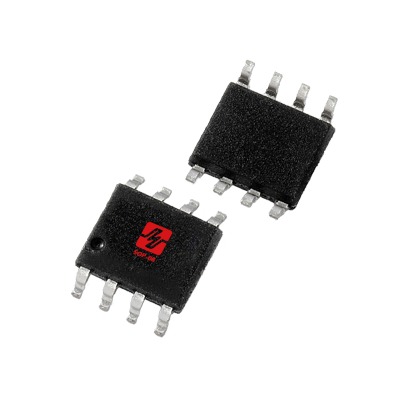 ESD Diodes
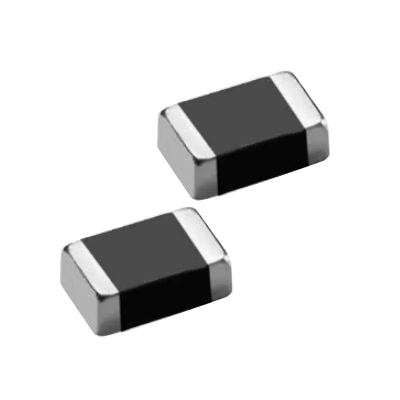 MLVs
MLVs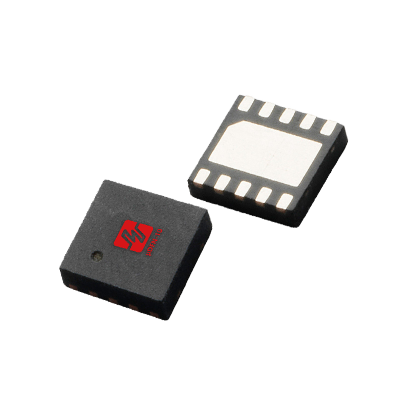 Automotive
 Polymers
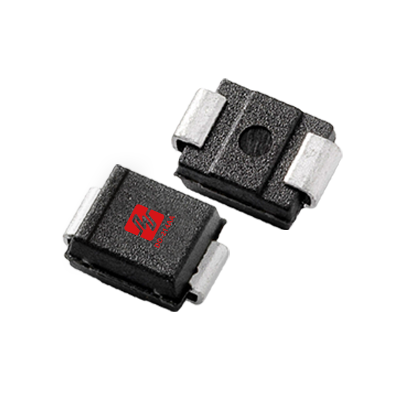 General Thyristors
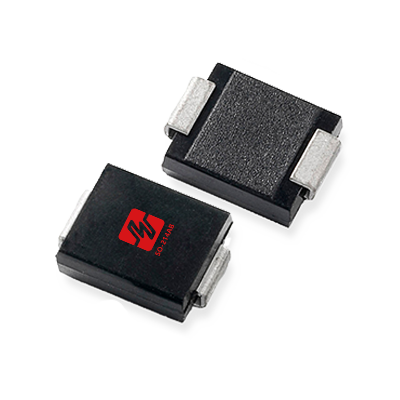 High Reliability
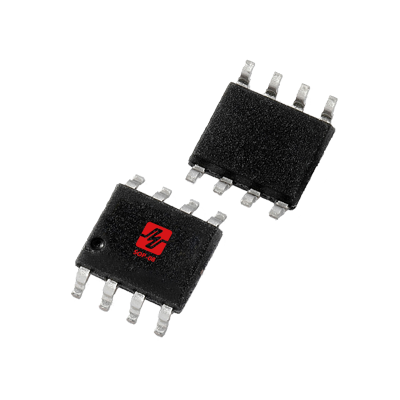 Programmable Series
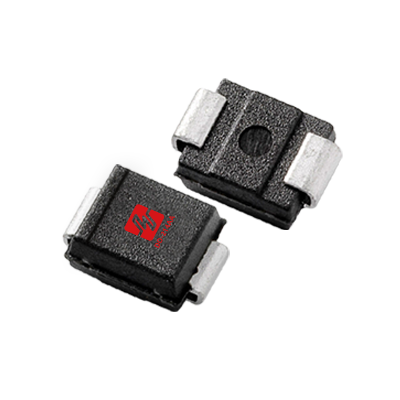 Automotive
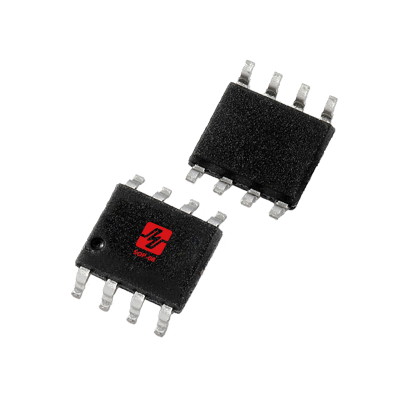 Pled Protectors
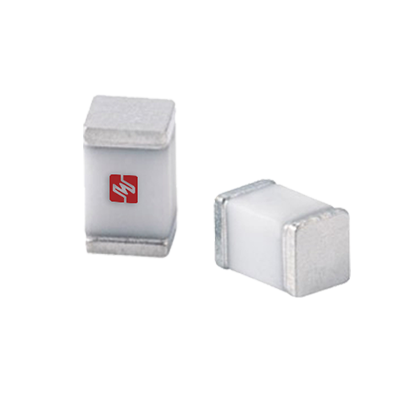 Gas Discharge Tubes
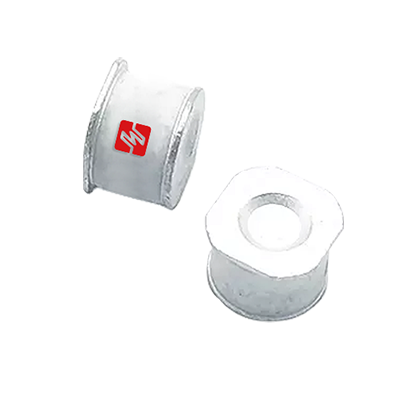 Automotive
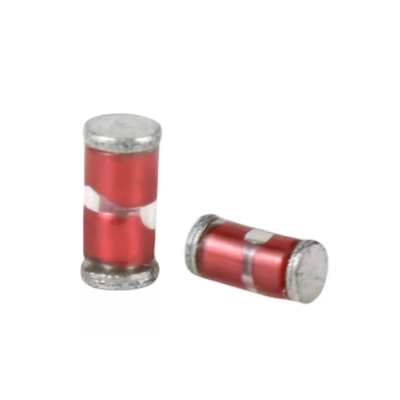 SPG
SPG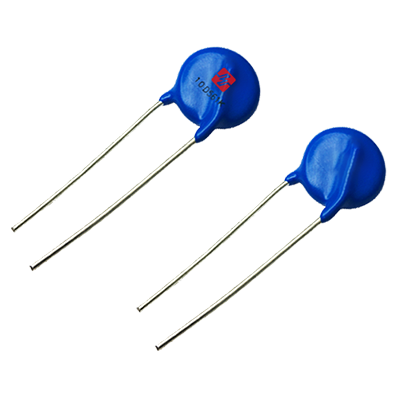 General Varistors
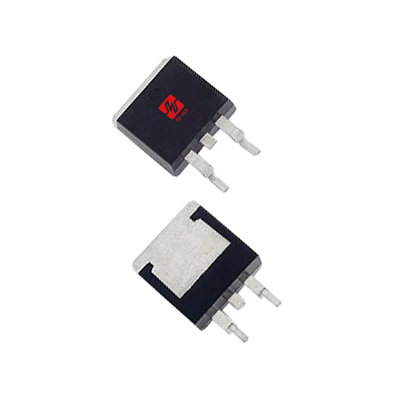 Sensitive SCRs
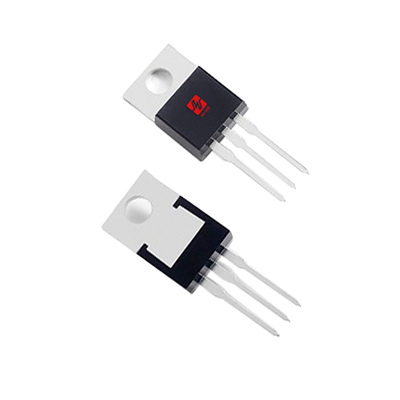 SCRs
SCRs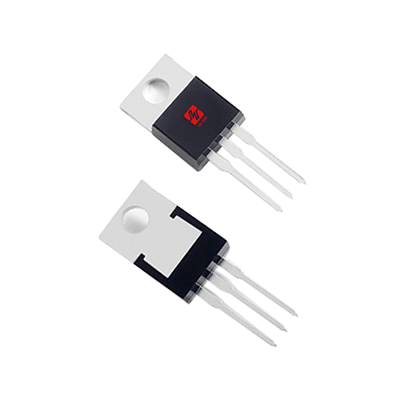 Triacs
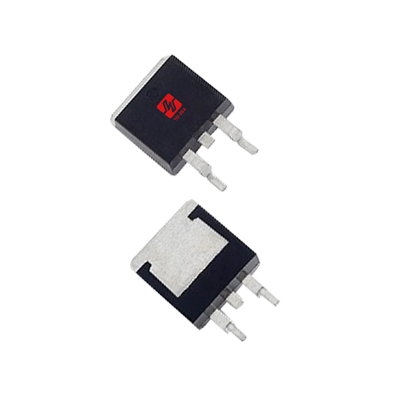 4-Quadrant Triacs
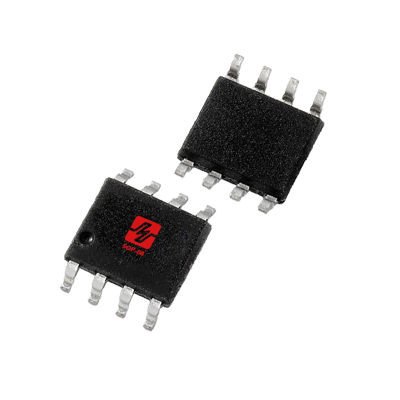 Small Signal Mosfets
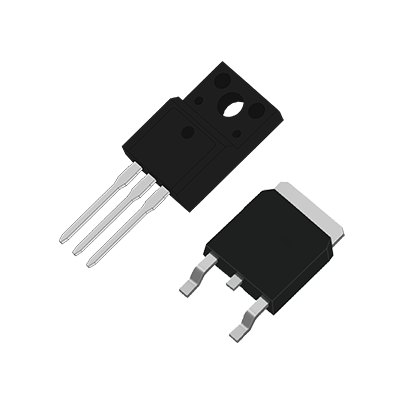 Power Mosfets
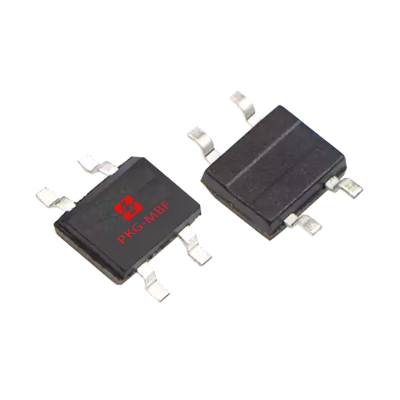 Bridge Rectifiers
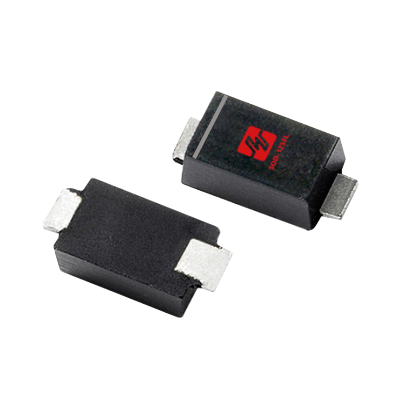 Schottky Rectifiers
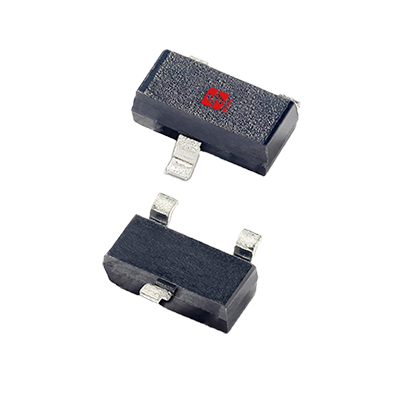 Switching Diodes
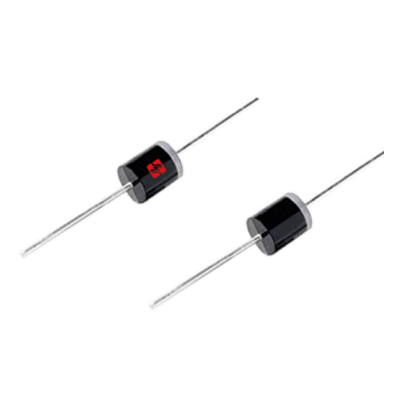 Fast Recovery Diodes
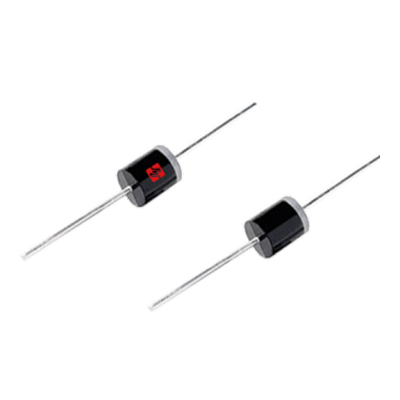 Rectifier Diodes
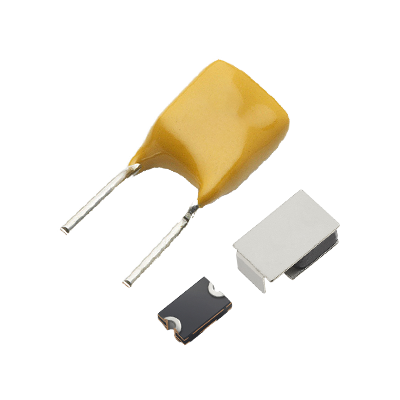 PTC
PTC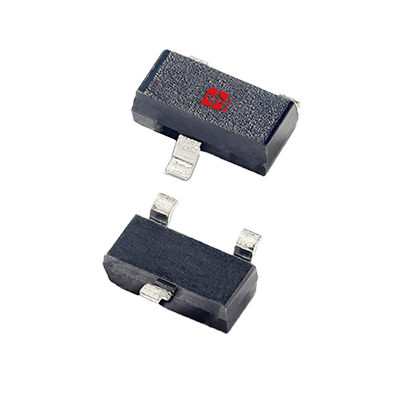 Bipolar Transistors
 Seat Heating
 Domain Gateway
 BMS
BMS Interior Light
 T-Box
T-Box ADAS
ADAS Instrument Cluster
 BCM
BCM On-Board Charger
 DC Charger
 Vehicle Adapter
 77GHz Radar
 Energy Storage
 AC Charger
 PTC
PTC Micromotor
 Head Lighting
 Media Hub
 Smart Cockpit
 PBX
PBX Cellular Base Station
 Small Cell
 Outdoor AP
 Antenna System
 Power Supply
 Set-top Box
 RRU
RRU xDSL
xDSL BBU
BBU NVR
NVR Security Camera
 IP Camera
 Automatic Gate
 POS
POS Power Bank
 Action Camera
 Smoke Detector
 Pad
Pad E-Bike
 PC
PC VR Glasses
 UAV
UAV Label Printer
 Mobile Phone
 TWS
TWS Smart Lock
 E-Cigarette
 Smart Watch
 SSD
SSD Energy Storage
 Adapter
 2/3 Wheeler Vehicles
 String Inverters
 UPS
UPS AC220V EV Charger
 Energy Conversion
 BMS
BMS PV Inverter
 DC-DC Module
 Battery protection
 Exergen
 ECG monitor
 Ultrasound Scanner
 Defibrillator
 Electronic Scale
 Radiography
 Blood Glucose Meter
 Sphygmomanometer
 Electricity Meter
 Elevator Call Board
 3D printer
 Sensor
 PLC
PLC Smart Metering
 Leakage protector
 DC Motor
 Power Line Carrier
 Solar Lighting
 Landscape Lightings
 StreetLight Controller
 Smart Lamps
 Traffic Lighting
 Coffee Maker
 Water Heater
 Dishwasher
 Washing Machine
 Smart Speaker
 Sweeping Robot
 Smart TV
 DC24V-P5a
 Buttons/Switches
 CAN
CAN Key
Key SD Card
 Touch Screen
 Audio
Audio GPS
GPS MIC
MIC SIM
SIM NFC
NFC eSATA
eSATA G.Fast
 RJ45-1G
 SDI
SDI POE-1G-4KV
 POE-1G-6KV
 SLIC
SLIC RS485-Surge
 I/O
I/O RS232-ESD/Surge
 USB3.0
 HDMI
HDMI USB2.0-Dual
 Type-C
 VGA
VGA DVI
DVI AC36V-0.5KA
 DC3.3V
 DC24V
DC24V Semiware's over 300 interface protection solutions cover automotive electronics, industrial control, consumer electronics, and other industry sectors.
 To become an excellent comprehensive service provider of circuit protection solutions.
 To become an excellent comprehensive service provider of circuit protection solutions.